
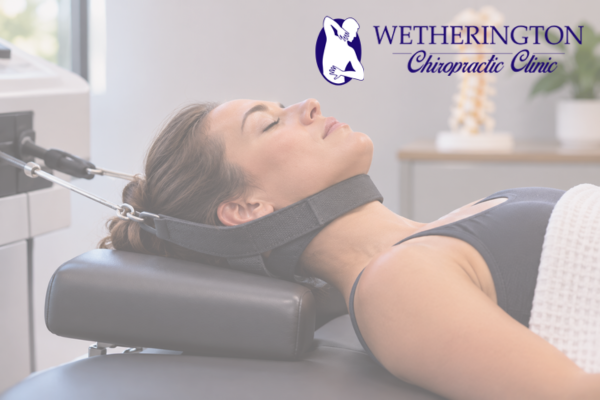
Neck pain can make everyday activities uncomfortable, whether you’re working at a computer, driving, sleeping, or simply turning your head. For some people, the discomfort may also extend into the shoulders or arms. If you’re looking for a nonsurgical treatment option, cervical decompression therapy in Savannah, GA, may be worth exploring. At Wetherington Chiropractic Clinic, treatment options are tailored to each patient’s symptoms, medical history, and individual needs.
Key Takeaways
- Cervical decompression therapy uses gentle, controlled stretching to help reduce pressure on certain structures in the neck.
- Treatment may be considered for some patients experiencing neck pain, disc-related problems, or irritated cervical nerves.
- Cervical decompression is a nonsurgical treatment, although it is not appropriate for every condition.
- A chiropractic evaluation can help determine whether decompression therapy should be part of an individualized treatment plan.
What Is Cervical Decompression Therapy?
Cervical decompression therapy is a form of spinal traction that focuses on the cervical spine, which consists of the seven vertebrae in your neck.
These vertebrae support your head, allow you to move your neck, and help protect the spinal cord. Between most of the vertebrae are discs that provide cushioning and allow the spine to move.
Over time, injuries, age-related changes, or other spinal conditions can contribute to neck pain and discomfort.
Cervical decompression therapy uses gentle, controlled stretching of the neck to temporarily reduce pressure on certain spinal structures. In appropriate patients, this may help relieve symptoms associated with irritated nerves.
Unlike surgical decompression, this treatment does not involve an incision or the removal of spinal tissue.
At Wetherington Chiropractic Clinic, spinal decompression therapy is one of several treatment options available for patients experiencing neck and back discomfort.
What Causes Neck Pain?
Neck pain is common and can develop for several reasons. Sometimes, the discomfort begins after an injury. Other times, it develops gradually due to repetitive movements, prolonged positioning, or changes in the spine.
Some common causes include:
Poor Posture and Prolonged Screen Time
Spending hours looking down at a phone or sitting in front of a computer can place additional strain on the muscles supporting your neck.
Over time, this may contribute to muscle tension, stiffness, and discomfort.
Bulging or Herniated Cervical Discs
The discs between your cervical vertebrae help cushion the spine. When a disc bulges or herniates, it may irritate a nearby nerve.
Depending on the location and severity, symptoms can include neck pain, tingling, numbness, or discomfort extending into the arm.
Age-Related Changes in the Cervical Spine
As we age, the discs and joints in the neck naturally change. In some cases, these changes may contribute to stiffness, reduced mobility, or nerve irritation.
Previous Neck Injuries
Car accidents, sports injuries, and falls can affect the muscles, ligaments, joints, and discs in the neck.
Even after an initial injury improves, some people continue to experience discomfort or limited movement.
Because neck pain can have several causes, identifying the underlying problem is an important first step before beginning treatment.
Neck pain may also develop gradually after an accident. As discussed in our previous article, Car Accident and Slip-and-Fall Injuries: Why Pain May Not Show Up Right Away, certain injuries can cause symptoms that appear hours or even days after the incident.
How Can Cervical Decompression Therapy Help With Neck Pain?
For certain patients, cervical decompression may provide an additional option for managing neck discomfort.
The treatment uses gentle traction to temporarily stretch the cervical spine. This may reduce pressure on irritated nerve structures and help alleviate some symptoms.
Potential benefits for appropriately selected patients may include:
- Reduced neck discomfort
- Relief from certain symptoms associated with cervical nerve irritation
- Improved comfort during everyday activities
- Greater tolerance for movement as symptoms improve
However, results vary depending on the cause of the pain, the patient’s overall health, and the treatment approach.
Research on cervical traction has produced mixed results. Some patients with neck-related nerve symptoms may benefit, particularly when traction is combined with other conservative treatments. It is not a guaranteed solution for chronic neck pain or disc problems.
What Happens During a Cervical Decompression Session?
If you’ve never experienced cervical decompression therapy, you may wonder what the treatment involves.
At Wetherington Chiropractic Clinic, spinal decompression is performed using specialized equipment designed to apply controlled stretching to the spine.
For cervical treatment, patients typically lie on their backs while soft supports are positioned behind the neck.
The equipment applies a gentle, controlled pulling force according to the patient’s treatment plan.
A typical session may last approximately 15 to 30 minutes, depending on the condition being addressed and the provider’s recommendations.
The treatment should not cause significant pain. Patients should communicate any discomfort, dizziness, or worsening symptoms during a session.
Some individuals may benefit from a series of visits, while others may require a different approach to their symptoms.
If you’re considering chiropractic treatment for the first time, understanding the evaluation process can help you feel more prepared. Our guide, What to Expect at Your First Chiropractic Visit in Savannah, explains what happens during an initial consultation, examination, and discussion of treatment options.
Who May Be a Candidate for Cervical Decompression Therapy?
Cervical decompression may be considered for certain patients experiencing:
- Persistent neck pain associated with specific spinal conditions
- Symptoms related to a bulging or herniated cervical disc
- Certain forms of cervical nerve irritation
- Pain that extends from the neck into the shoulder or arm
However, not everyone experiencing neck pain is a candidate for cervical decompression therapy.
Conditions such as spinal instability, significant osteoporosis, spinal cord compression, or certain other medical concerns may make traction inappropriate.
New or worsening arm weakness, difficulty walking, or loss of coordination requires prompt medical evaluation. Sudden weakness, severe symptoms after an injury, or loss of bladder or bowel control warrants emergency assessment.
A careful evaluation helps determine whether cervical decompression is appropriate or whether additional testing or referral is needed.
Can Cervical Decompression Be Combined With Chiropractic Care?
Depending on the underlying cause of neck pain, cervical decompression may be considered as one component of a broader treatment plan.
At Wetherington Chiropractic Clinic, patients have access to several chiropractic services designed to address different musculoskeletal concerns.
For example, a personalized treatment approach may incorporate appropriate chiropractic techniques, therapeutic exercises, or other supportive treatments.
Dr. Bart Wetherington also specializes in Atlas Orthogonal Chiropractic, a specialized upper cervical adjustment technique.
Although cervical decompression and Atlas Orthogonal Chiropractic are different treatments, both involve addressing concerns related to the neck and cervical spine.
The appropriate combination of services depends on each patient’s symptoms, examination findings, and medical history.
When Should You Seek Treatment for Persistent Neck Pain?
Occasional neck stiffness may improve with rest, gentle movement, and adjustments to daily habits.
However, recurring or persistent neck pain should not be ignored, especially when it begins interfering with everyday activities.
Consider scheduling an evaluation if you experience:
- Neck stiffness that continues or repeatedly returns
- Discomfort when turning or tilting your head
- Pain that makes working or sleeping difficult
- Neck pain accompanied by recurring shoulder discomfort
- Tingling or numbness extending into your arms or hands
Symptoms involving weakness, numbness, or radiating pain may indicate nerve involvement and should be properly assessed.
Understanding the cause of your symptoms can help determine whether conservative care is appropriate or whether additional medical evaluation is necessary.
Frequently Asked Questions About Cervical Decompression Therapy
Is cervical decompression therapy painful?
Cervical decompression is designed to apply gentle, controlled traction to the neck. Many patients tolerate the treatment comfortably, although individual experiences vary. The treatment should be adjusted or stopped if it causes significant discomfort or worsening symptoms.
How many cervical decompression sessions will I need?
The number of sessions depends on your condition, symptoms, and response to treatment. Your provider may recommend a treatment schedule after evaluating your needs. Progress should be reassessed rather than assuming a specific number of sessions will be effective.
Can cervical decompression help a herniated disc in the neck?
Cervical traction may help relieve certain symptoms associated with irritated nerves in some patients with cervical disc problems. However, it does not necessarily repair or reverse a herniated disc, and it is not appropriate for every disc condition.
Is cervical decompression the same as a chiropractic adjustment?
No. Cervical decompression uses controlled traction to gently stretch the neck. Chiropractic adjustments use different techniques to address joint movement and musculoskeletal concerns. Depending on your condition, a treatment plan may involve one approach, both, or neither.
Is cervical decompression a permanent solution for neck pain?
Not necessarily. Some patients experience symptom relief, but long-term results vary. Addressing contributing factors such as posture, activity habits, muscle strength, and the underlying condition may also be important.
Explore Cervical Decompression Therapy in Savannah, GA
Persistent neck pain can affect your comfort, movement, and ability to enjoy everyday activities. If you’re exploring nonsurgical treatment options, Wetherington Chiropractic Clinic can help you better understand whether cervical decompression therapy may be appropriate for your symptoms. Dr. Bart Wetherington and his team provide personalized chiropractic care with a focus on each patient’s individual needs. Contact Wetherington Chiropractic Clinic to schedule an evaluation or learn more about cervical decompression therapy at the Savannah office.
Savannah Location: 329 Eisenhower Dr., Suite D, Savannah, GA 31406
Phone: (912) 351-0005
Recent Comments