
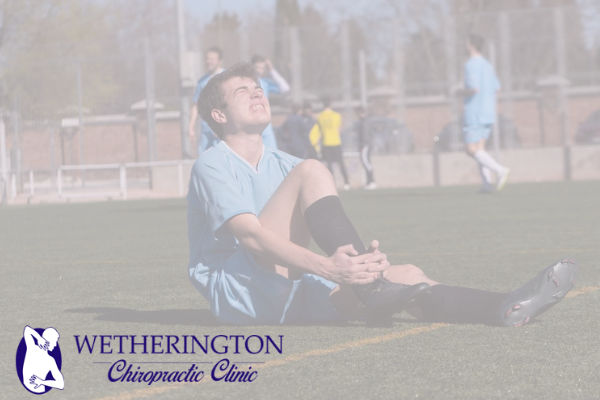
Fall sports bring athletes back onto football fields, cheer mats, and softball diamonds across Coastal Georgia. Along with the excitement of a new season comes an increased risk of strains, sprains, joint pain, and other injuries. A sports injury chiropractor in Savannah and Pooler can evaluate how an injury is affecting movement, mobility, and overall function and determine whether chiropractic care may be appropriate as part of the recovery process.
Whether an athlete is dealing with soreness after practice or discomfort that continues from one game to the next, recognizing the signs of an injury early can help prevent a minor problem from interfering with performance and everyday activity.
Common Football Injuries
Football combines running, cutting, tackling, jumping, and repeated physical contact. These movements place considerable stress on the muscles and joints, particularly during practices and games that occur several times each week.
Common football-related injuries can include:
- Neck and back strains
- Shoulder injuries
- Knee pain
- Ankle sprains
- Hip and groin strains
- Muscle tightness
- Joint stiffness
- Overuse injuries
Contact during a tackle is not the only way an injury can occur. Sudden changes in direction, awkward landings, repetitive drills, and fatigue can also contribute to lower back pain, muscle strain, or restricted movement .
An athlete who notices persistent stiffness, difficulty turning or bending, changes in running mechanics, or pain that returns during activity should consider having the problem evaluated.
Cheerleading Injuries Can Affect More Than the Back
Cheerleading requires a combination of strength, flexibility, balance, coordination, and repetitive movement. Tumbling, jumping, stunting, lifting, and landing can place significant demands on the spine and extremities.
Common areas of discomfort among cheerleaders include the:
- Lower back
- Neck
- Shoulders
- Wrists
- Hips
- Knees
- Ankles
Repetitive back extension during tumbling and stunts may contribute to lower back discomfort, while catching and lifting can place stress on the shoulders, wrists, and upper back.
Landing mechanics are also important. Repeated hard or uneven landings can affect the ankles, knees, hips, and lower back. Pain that continues after practice or begins affecting an athlete’s ability to perform normally should not simply be dismissed as routine soreness.
Softball Injuries and Repetitive Motion
Softball may involve less physical contact than football or cheerleading, but repetitive movements can still place substantial stress on the body.
Pitchers repeatedly rotate the shoulder, trunk, and hips, which can contribute to shoulder pain and overuse injuries over time. Hitters generate force through the legs and torso before rotating through the swing. Fielders repeatedly sprint, bend, throw, and change direction.
As a result, softball players may experience:
- Shoulder pain
- Elbow discomfort
- Lower back pain
- Hip tightness
- Hamstring strains
- Knee pain
- Ankle injuries
Throwing-related discomfort is particularly important to address. When mobility or mechanics change in one area of the body, an athlete may compensate elsewhere without realizing it. Those compensations can sometimes place additional stress on muscles and joints.
Is It Soreness or a Sports Injury?
Some muscle soreness is normal after intense exercise, especially at the beginning of a season or after increasing training intensity. However, ongoing or worsening pain may indicate that something more than ordinary post-workout soreness is occurring.
Consider having an athlete evaluated when there is:
- Pain that does not improve with rest
- Pain that repeatedly returns during practices or games
- Reduced range of motion
- Swelling or persistent tenderness
- Difficulty running, jumping, throwing, or changing direction
- Noticeable changes in posture or movement
- Recurring muscle tightness
- Pain that interferes with sleep or normal activities
Athletes sometimes try to compensate for discomfort so they can continue playing. While that may temporarily allow them to participate, altered movement patterns can place additional strain on other areas of the body.
How Chiropractic Care May Help After a Sports Injury
Sports therapy and chiropractic care for athletes are not limited to spinal adjustments. A chiropractor can evaluate movement, joint mobility, posture, muscle function, and the way different areas of the body are working together.
Depending on the athlete’s condition and the nature of the injury, care may focus on improving mobility, reducing stiffness, addressing restricted joints, and supporting healthier movement patterns.
Treatment recommendations should be individualized because the appropriate approach for a football player with lower back discomfort may be very different from the approach for a cheerleader experiencing shoulder pain or a softball player dealing with hip tightness.
Sports Injuries Often Involve More Than the Painful Area
The location of pain does not always tell the entire story.
For example, limited hip mobility may change the way an athlete runs or rotates. An ankle injury may cause someone to shift weight differently while walking or playing. Shoulder discomfort may lead an athlete to alter throwing mechanics.
Evaluating how the body moves as a whole can help identify limitations or compensation patterns that may be contributing to ongoing discomfort.
This is particularly relevant for athletes who experience the same problem repeatedly throughout a season.
Returning to Sports After an Injury
One of the biggest questions athletes and parents have after an injury is when it is safe to return to activity.
Pain relief alone does not necessarily mean an athlete is ready for full participation. Strength, mobility, stability, coordination, and sport-specific movements may also need to be considered.
Returning too quickly may aggravate an injury, while an appropriate progression can allow the body to gradually adjust to the demands of practices and competition.
For some injuries, chiropractic care may be one part of a broader treatment or rehabilitation plan. Depending on the type or severity of the injury, evaluation by a medical doctor, orthopedic specialist, physical therapist, or another healthcare professional may also be necessary.
Supporting Athletes Throughout the Season
Preventing every sports injury is impossible, but athletes can take steps to reduce unnecessary strain on their bodies and support their performance throughout the sports season.
Adequate warmups, proper technique, appropriate conditioning, hydration, recovery time, and attention to recurring discomfort all matter throughout a sports season.
Athletes should also communicate when something does not feel right. Persistent pain should not automatically be considered a normal part of playing sports, particularly when it begins changing movement or limiting performance.
Chiropractic Care for Sports Injuries in Savannah and Pooler
Football, cheerleading, and softball each place different demands on the body, but athletes in every sport rely on mobility, strength, coordination, and proper movement to perform their best. When pain, stiffness, or an injury begins interfering with those abilities, an evaluation can help determine what may be contributing to the problem and what type of care is appropriate.
Schedule an Appointment With Wetherington Chiropractic Clinic
If you or your athlete is experiencing pain or limited movement following a football, cheerleading, softball, or other sports-related injury, Wetherington Chiropractic Clinic can help evaluate the problem and develop an individualized approach to care. With convenient offices in Savannah and Pooler, Georgia, the team provides chiropractic care for athletes and active individuals of different ages and activity levels. Contact Wetherington Chiropractic Clinic today to schedule an appointment and learn whether chiropractic care may be appropriate for your sports injury.
Recent Comments